- The Hidden Cost of Modern Recruitment: How Inefficient Hiring Practices Burden Candidates
-
Date Posted: Mon, 2 Mar 2026

Companies are shifting the cost of inefficient hiring onto candidates through excessive interviews, unpaid tasks and unclear processes. A fairer approach is overdue.
Recruitment has become a process where companies shift the cost of their inefficiencies onto candidates. Members report too many interview stages, unpaid and excessive pre‑interview tasks, poor communication, a lack of transparency and little respect for their time. These practices create economic waste, lost productivity and a one‑sided process that leaves candidates carrying the burden. A fairer, more proportionate approach to hiring is needed.
The Hidden Cost of Modern Recruitment
Across our member conversations at M3 Job Club, one theme keeps resurfacing. Companies are externalising the cost of their hiring inefficiencies onto candidates. What should be a fair and proportionate assessment has drifted into something that drains time, energy and confidence. The result is economic waste, lost productivity and a pattern of unfair labour extraction that job seekers are expected to absorb without question.
These experiences are not isolated. They form a consistent picture of a recruitment landscape that has become unnecessarily complex, unclear and, at times, dismissive of the very people it claims to assess.
Excessive interview stages
The most common frustration is the number of interviews. Too many interview stages are now routine. Members describe four, six or even eight rounds, often meeting long lists of people, only to be rejected at the final stage. This level of repetition creates significant unpaid labour through preparation and attendance, and it leaves candidates emotionally fatigued.
It also raises a more fundamental concern. Interviews are increasingly being used for internal consensus-building rather than genuine assessment. When a candidate has met fourteen people and still leaves without making it to a final interview, and an offer, the issue is not their capability. It is a process that has lost sight of its purpose.
Unpaid and excessive pre‑interview tasks
Another recurring theme is the rise of unpaid, excessive pre‑interview tasks. Candidates are asked to complete aptitude tests, multi‑hour exercises or detailed work samples before meeting anyone from the business. For those with long professional track records, this feels misplaced and unnecessary.
A task can be useful, but only once both sides have established that the role is a genuine fit. When companies refuse even a short introductory conversation before demanding several hours of work, it becomes a form of unpaid consultancy rather than a fair recruitment step.
Time investment not respected or compensated
Members also describe a broader lack of respect for candidate time. Hours of preparation, travel and interview attendance go unacknowledged. There is no compensation for extensive processes and, in many cases, no feedback at all. The message this sends is clear. The employer’s time matters, and the candidate’s does not.
This imbalance sits at the heart of the problem. It is not simply inefficient. It is discouraging and, for many, financially unsustainable.
Lack of transparency about the process
Poor communication makes the experience even harder. Candidates are often not told how many stages to expect, what each stage is assessing or why additional steps have been added. Recruiters sometimes appear unable to challenge the process or advocate for a more efficient approach.
This lack of transparency leaves candidates feeling strung along and unable to plan their time or manage expectations.
Recruiters refusing reasonable boundaries or dialogue
Finally, there is the issue of boundaries. When candidates ask for something entirely reasonable, such as meeting someone from the business before completing a lengthy task, they are often declined. This reinforces a one‑sided process where candidates feel they must comply or lose the opportunity.
A healthy recruitment process should feel like a conversation, not a test of endurance.
Why this matters
These issues reflect a wider shift in the labour market where the cost of inefficient hiring is pushed onto candidates. The wasted time, lost productivity and emotional strain sit entirely with the job seeker. As a community, we hear these stories every week. They are consistent, avoidable and indicative of a system that needs recalibration.
Recruitment can be better. It can be proportionate, transparent and respectful. It can recognise that candidates are partners in the process, not free labour. Our role at M3 Job Club is to surface these experiences and encourage employers to rethink how they hire. A fair process benefits everyone.
- Empower Runway: Local Businesses Unite to Champion Career Confidence and Professional Visibility
-
Date Posted: Fri, 27 Feb 2026

Local businesses across Basingstoke and the wider region are joining M3 Job Club (M3JC) to put career confidence, professional visibility and personal presentation firmly in focus. Their support comes together at Empower Runway, the club's fundraising fashion and confidence‑building event taking place on 18 March at the Apollo Hotel, Basingstoke.
M3JC helps professionals re‑engage with the job market by rebuilding confidence through skills development, personal growth and networking. Empower Runway highlights that personal brand matters at every stage of a career; it is as important for staying visible within an organisation and positioning for progression as it is for strengthening client relationships or navigating career transition.
Local Business Collaboration at the Heart of the Event
The event brings together a strong network of local businesses, each contributing expertise to help attendees elevate their professional presence. Partners include The Apollo Hotel, FPL Signs, Creative Expo, Step8Up Ltd, U aNd I Entertainment, Tortue UK, Barbara Cosgrave, Alison Oswald, Glow and Flow, The Facial Sanctuary and LaParisel Hair Academy. Their involvement reflects a shared commitment to community, connection and practical support.
Sponsors Supporting Professional Growth
A committed group of sponsors is central to the evening’s success.- The Apollo Hotel, Main Sponsor, is hosting the event and demonstrating its ongoing support for local professional development.
- FPL Signs is providing bespoke branding and signage.
- Creative Expo is enhancing the experience with specialist exhibition services and a red‑carpet installation.
- Step8Up Ltd is supporting accessibility by donating ten entry tickets for M3JC members.
- U aNd I Entertainment is setting the atmosphere with the evening’s soundtrack.
- Look Good with Lizzy, featuring Tortue UK, the official women’s clothing partner, will showcase mix‑and‑match professional looks.
- Slater Menswear Basingstoke, the official menswear partner, is providing refined tailoring.
- Alison Oswald will deliver live makeup demonstrations.
- LaParisel Hair Academy is generously styling all models’ hair in advance as a donated contribution.
- Barbara Cosgrave will demonstrate the strategic use of colour.
- The Facial Sanctuary and Glow and Flow will introduce wellbeing techniques that support confidence.
A Format Designed to Strengthen Personal Brand
Empower Runway is designed to help professionals understand the full breadth of visual personal brand. The catwalk is simply the vehicle that brings these elements to life. Clothing, colour, grooming, wellbeing and confidence are presented as interconnected parts of a credible professional presence. The event also emphasises sustainable, practical styling. Attendees will see how transferable skills, capsule wardrobes and pre‑loved items can create a polished look without unnecessary cost, reflecting M3JC’s ethos of equipping people with skills that last.
Personal Brand as a Professional Asset
The event is relevant to both employed and job‑seeking professionals. Strong presentation skills help individuals remain visible, position themselves for progression, build client trust, communicate confidently during transition and strengthen their networks.
A Connected Approach to Confidence and Community
The programme brings together practical demonstrations, expert insights and real examples of professional styling to help attendees understand how to present themselves with confidence and purpose. The personal‑growth‑focused raffle prizes directly support M3JC’s ability to continue offering free weekly sessions to its members.
This blend of professional expertise, community generosity and business collaboration creates an environment where individuals can explore how their visual presentation reinforces their personal brand, supported by a network of organisations committed to shared success.
- What Happens When Your Voice Fails You -And How You Find It Again
-
Date Posted: Mon, 9 Feb 2026

A lost voice can strip away more than sound. It can take with it a sense of role, identity and place. That is the reality facing many people in career transition, and it is captured starkly in a story of sudden stage fright that opens this piece. The moment may be personal, but the pattern is familiar: individuals who have prepared, shown commitment and stepped forward with purpose, only to find themselves unexpectedly muted. It highlights the fragile connection between confidence and contribution, and the determined work required to reclaim both.
In 1987, one of our presenters was asked by a dear friend to be the soloist at her wedding, 6000 miles away. Flattered, she agreed. An enthusiastic yet untrained singer, she found a vocal coach and rehearsed for months. The rehearsal was glorious, her voice soared in the church’s acoustics, each note pure and true, falling as liquid gold in the stillness.
But the next day, with the church full and the moment upon her, she was struck by paralysing stage fright. She sang ‘Ave Maria – the Elvis Presley version, but to her ears it was a pale echo of the day before. After the vows, she sang the Carpenters’ ‘We’ve Only Just Begun’. It was no better. Overwhelmed with shame, she flew home the next day and stopped singing for years.
Eventually, she joined a local adult education class, ‘The Can’t Sing Club’, and began singing in a group. Later she joined a choir, though she hated performing, fearing judgement and being found lacking. She was far happier organising concerts and acting as MC. During the choir’s ‘10th Anniversary with a Wedding thrown in’, the 24 groomsmaids invited her to start their tribute. She rehearsed, and at the wedding managed to sing the second of the two lines -to the couple’s joy and amazement: “you’re singing!”
Still, stage fright clung on. Then, after a wonderful day with her adored family and holiday friends - fuelled by Caribbean sun and rum punch - she wandered into the Rum Bar in St Lucia. To everyone’s surprise and pride, she took the microphone and belted out karaoke. It wasn’t pitch perfect, but it didn’t matter to them, or to the equally rum‑fuelled audience.
Now she is preparing for the M3JC ‘Got Talent’ fundraiser in June. She has been asked to perform a lyrical, contemplative song that reflects how a working life can be reduced to history at whim - how all that was invested can suddenly feel not enough. She is rehearsing diligently, determined to deliver a performance that honours both the occasion and her talent.
And perhaps that is why this moment matters, not just for her, but for so many at M3 Job Club. The song mirrors the emotional landscape members walk through. Each verse describes something that should have been life‑defining, only to feel strangely hollow, not what was expected. Many know that feeling. They have built careers, invested loyalty and identity, only to watch them change or disappear in a moment. They have stood, figuratively, in their pyjamas on the pavement, watching the world they knew go up in flames. They have sat through the “greatest show on earth” of corporate life and sensed something missing. They have poured themselves into work they loved, only to have it vanish without warning.
And yet, just like the song, they keep going. They keep dancing. They keep showing up. They choose not to let disappointment be the final word. At M3JC, members know the quiet fear of not being enough, of not performing “as well as they did in rehearsal”. But they also know that courage is rarely a grand gesture. It is the steady decision to keep practising, to keep believing that their voice - literal or metaphorical - deserves to be heard.
So the article ends with a gentle invitation: what might open up if we allowed ourselves to keep dancing, even when the music changes?.
- Why Experience Still Struggles To Make the Starting Line‑Up
-
Date Posted: Sat, 7 Feb 2026

Why Experience Still Struggles To Make the Starting Line‑Up
As the Winter Olympics captivate global audiences and the Six Nations begins this week, one theme cuts across both arenas. Experience matters. Coaches talk openly about the value of seasoned athletes who bring calm, judgement and the ability to perform under pressure. Yet in professional recruitment, the opposite pattern persists. Experience is often treated as a disadvantage rather than an asset.
The contrast is difficult to ignore. In sport, years of service are celebrated. In the labour market, they can quietly become a barrier.
What Sport Understands About Experience
Rugby coaches have been particularly clear in the build‑up to the 2026 Six Nations. Ireland’s Simon Easterby emphasised the importance of continuity and maturity within his squad. He said, “We are trying to build continuity, and there is a genuine internal motivation to achieve that. The players are a year older now. They are under a bit more pressure because there is something meaningful to play for, and that is great for us. They are highly motivated to keep being successful.” [1]
At the tournament launch in Edinburgh, coaches spoke repeatedly about the need for composure and experience in high‑pressure moments. England’s Steve Borthwick highlighted the value of momentum and maturity in a squad entering the competition on an eleven‑match winning streak. [2]
Captains echoed the same message. Several spoke about “experience in big moments”, “knowing how to close out tight games” and “learning from previous campaigns”. [3]
The Winter Olympics offers the same lesson. Athletes talk about the depth that comes only from long practice and lived experience. Dawn Fraser described the Games as “the most compelling search for excellence that exists in sport, and maybe in life itself.” [4]
These are not romantic notions. They are operational truths. Coaches select experienced athletes because they know that judgement under pressure is not something you can teach quickly.
The Labour Market Tells a Different Story
Despite this, recruitment practices continue to undervalue experience. More than seventy per cent of people aged over fifty believe recruitment is broken, according to a 2024 HR Magazine survey. The Centre for Ageing Better found that thirty‑six per cent of people aged fifty to sixty‑nine feel their age is a disadvantage when applying for roles. Many report being screened out before they have the chance to demonstrate their capability.
ONS data shows that two thirds of the recent rise in economic inactivity has been among people aged fifty and over. This is not a small trend. It is a structural shift.
Employers often say they want resilience, adaptability and strong decision‑making. Yet they frequently default to younger candidates, even when the role requires the very qualities that experienced professionals bring.
The Cost of Overlooking Experience
When organisations overlook experienced candidates, they lose more than technical skill. They lose judgement, context and the ability to navigate complexity. They lose the equivalent of the veteran player who steadies a team in the final minutes of a tight match.
The Six Nations offers weekly reminders of this. Teams rely on experienced players to manage momentum, read the opposition and make the right choices in moments that decide the outcome. Coaches know that experience is not a drag on performance. It is a stabiliser. 2][3]
The Winter Olympics reinforces the point. Athletes speak of “a lifetime of training for just ten seconds,” as Jesse Owens famously put it. [5] Those ten seconds are not won by instinct alone. They are won by accumulated knowledge.
Why Recruitment Still Gets It Wrong
Several factors continue to shape employer behaviour.- Stereotypes about adaptability
- Assumptions about cost
- A narrow view of career paths
- Automated screening that replicates bias
What Employers Can Learn From Sport
If employers adopted the logic of the Six Nations or the Winter Olympics, they would ask different questions.- Who brings calm under pressure.
- Who has seen enough cycles to recognise what matters and what does not.
- Who can mentor others.
- Who can anticipate risk because they have lived through it before.
A Call for a More Mature Recruitment Culture
The labour market is changing. People are working longer. Organisations need deeper capability, not just fresh energy. The data is clear that older workers want to contribute and have the skills to do so. What is missing is a recruitment culture that values experience with the same seriousness that sport does.
Until that shift happens, we will continue to see a mismatch between what employers say they need and who they choose to hire. And we will continue to waste the potential of people whose experience should be an asset, not an obstacle.
References
[1] Six Nations Rugby Media Centre. “Simon Easterby – Ireland Coach.” January 2026.
[2] Guinness Men’s Six Nations. “Six Nations 2026 Launch: ‘Pressure makes it a special competition’.” 28 January 2026.
[3] RUCK.co.uk. “Best against the Best – 2026 Six Nations Launch: What EVERY Captain said.” 26 January 2026.
[4] Dawn Fraser quotation widely cited in Olympic commentary and historical reporting.
[5] Jesse Owens quotation widely cited in Olympic and athletics historical commentary.
- When the Interview Was Never Really About You
-
Date Posted: Thu, 5 Feb 2026
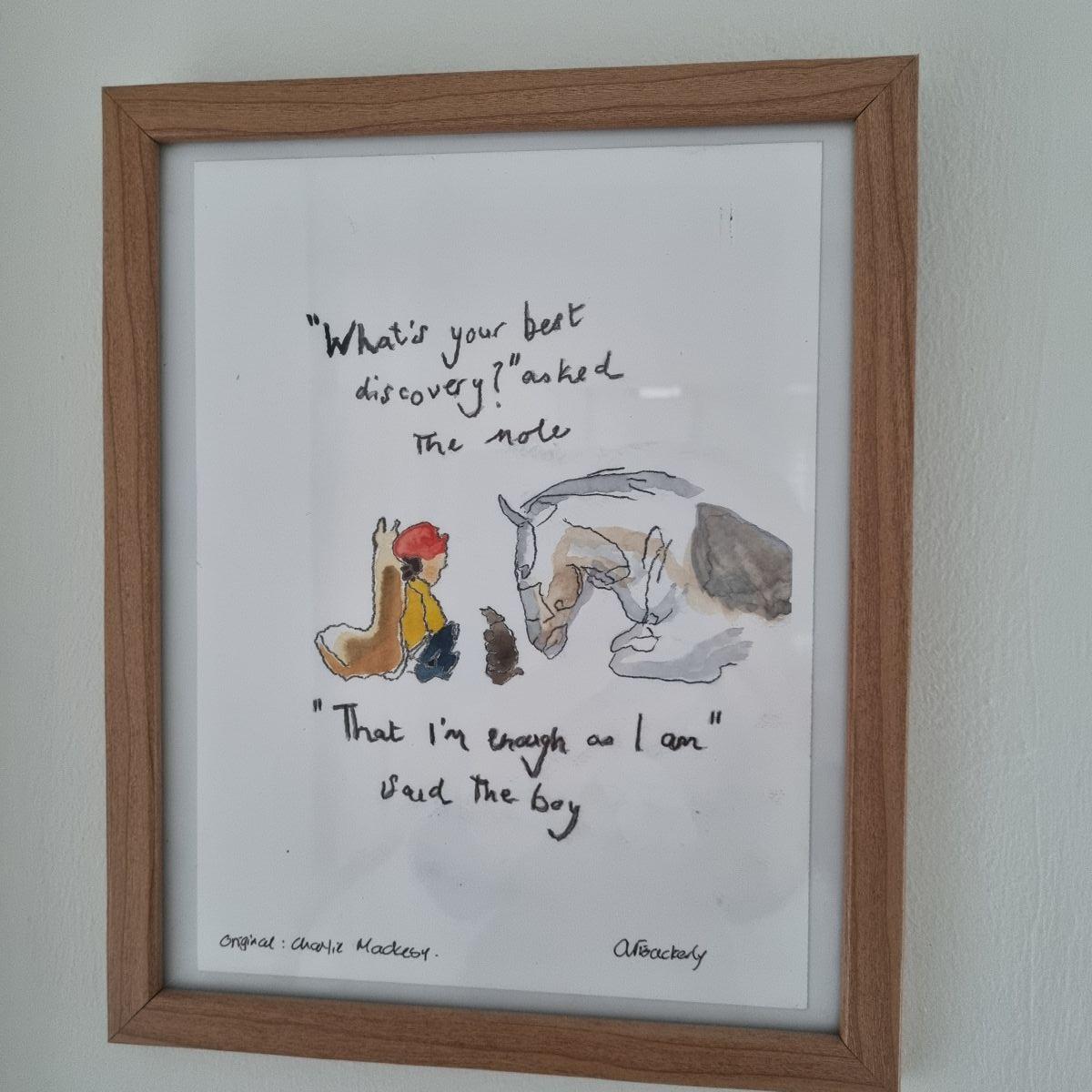
When the Interview Was Never Really About You
A story shared by a member recently has stayed with the team, partly because it reflects a pattern familiar to many job seekers.
The member had taken part in a three‑panel interview for a brand‑new role within the organisation: Pre-sales Consultant. They had prepared thoroughly, understood the brief, and felt a genuine connection with two of the interviewers. Yet instinctively, reading the room, the tone, the body language, and the non‑verbal cues that experience has taught them to trust, they sensed that one person on the panel felt slightly out of step. Not unkind, just… misaligned.
After receiving the news that their application was not being taken forward, the member asked talent acquisition for some honest feedback. To their credit, they provided it.
It emerged that the Delivery Manager had reluctantly written the Presales Consultant job description but had actually wanted a Solutions Architect. Budget constraints meant the title remained the same, even though the expectations did not. As a result, the member was assessed against a role that did not truly exist, by stakeholders who were not aligned on what skills and competencies they were trying to hire.
The member had not “failed”.
They had simply walked into a situation shaped by undisclosed agendas, competing priorities, and unclear needs, the sort of environment where even the strongest applicant would struggle to land well.
At M3 Job Club, this scenario is more common than many realise. Members often internalise organisational confusion as personal inadequacy. They assume they have fallen short, when in reality the organisation has not yet worked out what “good” looks like, or what combination of skills, experience and characteristics is genuinely required to do the job, rather than the cobbled‑together wish‑list of impossibilities.
One of the core messages reinforced throughout the programme is that job‑hunting success is not solely about capability. It is also about context, organisational readiness, and whether the employer is genuinely clear on what it needs.
What stood out most in this story was how the member processed the experience. They shared a new mantra that has helped them maintain perspective:
“WWAD” — What Would AmandaF Do.
Reset. Reflect. Don’t internalise someone else’s confusion. And keep moving.
This captures the heart of what the club aims to instil: steadiness in the face of uncertainty, a willingness to pause before self‑blame, and the confidence to recognise when the situation, not the person, is the element out of alignment.
Most often, our members are absolutely the right people, simply standing in the wrong room.
(picture credit : original artwork by Charlie Macksey, colouration added by another)
- Finding Hope In What You Already Know
-
Date Posted: Wed, 4 Feb 2026

Finding Hope In What You Already Know
Anxiety in career transition is far more common than people realise. At M3 Job Club, we see capable professionals arrive feeling overwhelmed, unsure and sometimes quietly convinced that everyone else is coping better than they are. The truth is far gentler. Anxiety is a human response to uncertainty. It is not a verdict on your ability or your future.
Recent data shows just how widespread these feelings are.- 776,000 UK workers experienced work related stress, depression or anxiety in 2023 to 2024.*
- 16.4 million working days were lost due to these conditions in the same period, showing how common and shared this experience is.**
- 79 per cent of union safety representatives say stress is the top workplace concern, the highest level ever recorded.***
- A quarter of UK workers report feeling unable to cope with workplace stress.****
- 964,000 workers are currently living with work related stress, depression or anxiety, contributing to 40.1 million lost working days across all work-related illness and injury.*****
At the Club, we see something powerful happen when people begin to reconnect with what they already know. The skills they have used to support colleagues, steady teams and solve complex problems are still there. They have not evaporated, they simply need to be brought back into view, repurposed, focused internally.
Confidence often returns in small, practical steps. A conversation that lands. A plan that starts to take shape. A reminder that you have handled uncertainty before, just in different circumstances. These moments matter - they build momentum, bring change, new focus and direction.
*Source: Health and Safety Executive, Work Related Stress, Depression or Anxiety Statistics 2024
**Source: HSE 2024
***Source: TUC Biennial Survey, 2026
****Source: MHFA England, Workplace Mental Health Statistics 2024
*****Source: HSE Key Figures for Great Britain 2024 to 2025
- M3 Job Club – Member Progress Highlights (Nov 2025–Jan 2026)
-
Date Posted: Wed, 4 Feb 2026

M3 Job Club – Member Progress Highlights (Nov 2025–Jan 2026)
The past few months have brought a remarkable level of activity across the club, with members moving forward through interviews, securing roles, and building valuable employer connections. Below is a snapshot of the progress our community has achieved together.
Strong Engagement From New Attendees
Across November and January, we welcomed 35 first‑time attendees, including prospective members and visitors. This continued flow of new faces reflects both the demand for structured employability support and the strength of our community reputation.
“From the moment I arrived, I felt genuinely welcomed. M3JC is a collaborative, non‑judgemental space where everyone is rooting for you to succeed.” - M3JC member
Interview Momentum Across All Stages
Members continued to push forward in their job searches, with activity recorded at every stage of the recruitment pipeline:- 15 first interviews
- 5 second interviews
- 2 third interviews
- 2 fourth interviews
Job Offers and New Starts
We celebrated 11 job starters across the period, spanning temporary, seasonal, contract and permanent roles. In addition, members received 2 job offers, including a 6‑month maternity cover contract.
These outcomes demonstrate the resilience and determination of our members, many of whom are navigating complex and competitive recruitment environments.
“Three interviews, two offers, one new job. I wouldn’t have got there without the club.”
Employer & Recruiter Engagement
Several members reported positive contact with hiring managers, recruiters, and professional networks, including CVs being placed directly with decision‑makers, successful networking leading to freelance opportunities, and proactive outreach resulting in interview invitations.
This reinforces the value of the club’s focus on relationship‑building, confidence, and strategic job‑search techniques.
Month‑by‑Month OverviewActivity/outcome November 2025
January 2026
Totals First‑time attendees 10 25 35 First interviews 6 9 15 Second interviews 0 5 5 Third interviews 1 1 2 Fourth interviews 0 2 2 Job offers 0 2 2 Job starters 3 8 11
A Community Moving Forward
These results reflect the energy, commitment, and mutual support that define M3 Job Club. Members are not only progressing through interviews but also securing roles and rebuilding confidence along the way. As one member put it, “This club gave me back my professional identity and reminded me what I’m capable of. It’s a warm, collaborative, completely non‑judgemental space where you feel supported from the moment you walk in.”
That spirit sits at the heart of everything we do, and it continues to drive the momentum we’re seeing as we continue to plan and deliver our project aims via our weekly programme.
- With Benefit‑to‑Work Rates Falling, M3 Job Club Shows How Targeted Support Helps Mid‑Career Professionals Back into Work
-
Date Posted: Mon, 2 Feb 2026

With Benefit‑to‑Work Rates Falling, M3 Job Club Shows How Targeted Support Helps Mid‑Career Professionals Back into Work
A sharp fall in the number of benefit claimants moving into work mirrors the challenges faced by mid‑ and late‑career professionals in the South East, reinforcing why targeted, skills‑focused support such as the M3 Job Club is increasingly vital.
The Telegraph reports that the proportion of people on benefits moving into work has dropped to its lowest level in seven years. Government data shows a marked slowdown in the rate at which Universal Credit claimants transition into employment, raising concerns about labour market stagnation and the effectiveness of current welfare‑to‑work interventions. (source : https://www.telegraph.co.uk/business/2026/01/30/number-of-benefits-claimants-moving-into-work-falls/ )
In short, using data from the article
Only 6.9% of benefit claimants moved into work each month on average between January and September 2025.
This is the lowest rate since 2019.
Integrated analysis with M3 Job Club data
The national picture of declining movement from welfare into work aligns closely with the lived experience of mid‑career and senior professionals in the M3 corridor. The club’s latest survey highlights both the scale of need and the measurable impact of structured, community‑based employability support.
Who we support
M3 Job Club serves mid‑career and senior professionals facing redundancy, unemployment or career transition. Survey data shows a strong concentration in the age groups most affected by age bias and shifting recruitment practices:- 51–60: ~45%
- 61–65: ~20%
- 46–50: ~15%
Attendance and engagement- 85%+ of job‑seeking members attend weekly sessions
- Fewer than 10% of employed members continue contributing
A recent survey of M3 Job Club members shows, that from the respondents, among members who have left the club:- ~55% full‑time employment
- ~10% part‑time employment
- ~5% self‑employment
- ~30% still seeking work
Hidden timelines of unemployment
Support is often sought late, compounding barriers:- 15% seek help immediately
- 41% wait 3 months or more
- ~20% wait over 6 months
- ~10% wait a year
- 3% wait two years or more
- Nearly 50% out for 6–12 months or more
- ~20% for 9–12 months
- 15% for over a year
- ~10% for more than two years
- Only 20% return to similar‑level roles
- 244 active members
- 71 prospective members
- 147 new joiners since March, reflecting a 123% increase, plus 24 additional new members in January alone, averaging 5 new joiners a week.
This week’s session recorded a strong level of job‑search activity, including job offers, interviews scheduled and follow‑ups from previous applications. Ten members provided updates, including two new joiners and eight with active job‑related developments.
Age‑group analysis of activity- 50–55: 75%
- 45–50: 12.5%
- 35–40: 12.5%
Outcomes reported- 3 members secured jobs
- 4 members have interviews scheduled
- 1 member progressed to a second interview
Structural implications
The combined national and local data highlights systemic barriers rather than individual shortcomings. It underscores the need for employers to embed age inclusion within D&I, ESG and responsible business strategies. The club’s evidence shows the consequences of delayed support:- Erosion of confidence
- Skills mismatch
- Increased isolation
- Reduced access to opportunity
The national decline in benefit‑to‑work transitions underscores a wider labour market challenge: experienced professionals are struggling to re‑enter work at pace and at level. M3 Job Club’s data demonstrates that targeted, structured, community‑based support can materially improve outcomes, rebuild confidence and shorten the journey back to meaningful employment.
- Out of work, out of place: how career loss shatters belonging and identity — and the journey to rebuild both
-
Date Posted: Wed, 24 Dec 2025

Out of Work, Out of Place: How Career Loss Shatters Belonging and Identity
As the festive season approaches — a period traditionally associated with connection, routine, and belonging — new insights from M3 Job Club reveal a starkly different reality for many mid‑career professionals navigating job loss. For those suddenly displaced from long‑held roles, the absence of work is not simply a financial shock; it is a profound rupture in identity, confidence, and social belonging.
Recent conversations with members of M3 Job Club echo themes voiced by high‑profile former athletes such as Alun Wyn Jones, former Wales rugby captain, and Karen Carney, former England footballer. Both have spoken publicly about the psychological weight of transition and the unexpected difficulty of rebuilding confidence after leaving elite professional environments.
During the 2025 Strictly Come Dancing final, Carney reflected on how the experience helped her reconnect with a sense of purpose after six years away from competitive sport, saying: “I feel like a team again, feeling like an athlete after 6 years of not.” Her words mirror the sentiments of many professionals who describe job loss as a dislocation from community and identity.
Jones, who has also spoken candidly about the challenge of transition, described the experience as “a jigsaw puzzle with no picture on it.” His reflection captures the uncertainty many face when routine disappears and the next step is unclear.
Data from M3 Job Club highlights the hidden timeline of this adjustment:- 15% seek support immediately after losing work
- 41% wait three months or more
- Around 20% wait over six months
- Nearly 10% wait a full year
- 3% wait two years or longer
- Nearly 50% have been out of similar work for 6–12 months or more
- Around 20% for 9–12 months
- 15% for over a year
- Around 10% for more than two years
- Only 20% return to similar‑level roles
Yet within this disruption lies possibility. As Jones noted, “This is an opportunity to choose what I want to do for the rest of my life.” His words reflect a growing recognition that career transition is not merely a continuation of the past but an evolution toward something new.
As the year draws to a close, the findings raise a broader question: how can society better support those navigating the psychological and practical realities of career loss? For thousands of professionals, rebuilding belonging is as critical as securing employment, and both take time.
Quotes source: WalesOnline
Picture credit: ©Guy Levy/BBC/PA Wire
- The CV Conundrum
-
Date Posted: Fri, 3 Oct 2025

The CV Conundrum
Fri, 3 Oct 2025
Ever wondered what really happens when your CV lands in the hands of recruiters, HR, or hiring managers?
At The CV Conundrum today, we took a rare, behind-the-scenes look at how professionals actually review CVs.
Key Takeaways:
Put key skills up front to make an impact fast.
Balance writing for humans and electronic systems (ATS).
Reduce wasted white space to keep it clear but concise.
Remember: AI review vs ATS screening can differ.
The 7-second rule is real. First impressions matter.
Ensure your CV is truly ATS friendly.
Use strong formatting & clear headings for readability.
Featuring expert insights from:
• Tracy Fisher MCIPD, Otter Jobs
• Felix Obadaki, M923 Consulting
• Hannah B. at Clarion Futures
• Sarah McKinlay FCIPD at SJ McKinlay Consulting
What participants gained:
Seeing through the eyes of a hirer – what gets noticed, what gets skipped.
Perspectives across different industries (no one-size-fits-all!).
A clear view of each CV review stage – from skim to shortlist.
Practical strategies to stand out in a competitive job market.
Thanks to everyone who joined us, and remember, your CV isn’t just a document, it’s your first impression. Make it count.
- “Unlock the Power of Connection: Networking Skills That Make a Difference”
-
Date Posted: Fri, 26 Sep 2025

Unlock the Power of Connection: Networking Skills That Make a Difference with Gill Cheesewright
Fri, 26 Sep 2025
At the M3 Job Club today we hosted
“Unlock the Power of Connection: Networking Skills That Make a Difference”
with Gill Cheesewright
A truly energising workshop that turned networking from something we “have to do” into something we can actually enjoy.
Gill reminded us that networking isn’t about collecting contacts, but about creating meaningful, lasting relationships.
Here are the top takeaways:
• Craft and practice your personal statement, be clear, confident, and concise when introducing yourself.
• All interactions are opportunities. From formal events to casual chats, connections can happen anywhere.
• Be comfortable making the first move. Confidence opens doors (and conversations!).
• Find a networking buddy. Teaming up can make it easier to approach new people.
• Reconnect with people from the past. Old connections can spark fresh opportunities.
• Handle tricky moments with ease. Whether joining a group, steering a chat, or exiting gracefully.
• Relax and be curious. Genuine curiosity builds trust and makes networking feel natural.
Networking is less about the number of people you meet and more about the depth of the connections you create.
A huge thank you to Gill for making this session engaging, practical, and confidence-boosting.
- Assemble Your AI Squad: Mastering Job Search Efficiency
-
Date Posted: Fri, 19 Sep 2025

On Friday we had an inspiring session on AI-Powered Career Acceleration & Personal Branding at the M3 Job Club.
This workshop was all about harnessing AI as a powerful ally in your job search and career journey helping us apply smarter, not harder, and transform achievements into a standout personal brand.
Key Takeaways:
· Review your privacy settings
· Remember: AI is a tool (and the magic lies in writing a good prompt!)
· Stay skeptical & mindful — always sense-check outputs
· Build and maintain a Master CV
· Use the STAR method to strengthen applications and interviews
· Leverage AI to write stronger LinkedIn content
· …and keep count of your applications to stay on track
Participants left with:
· A framework for a Master CV to make applications and interviews easier
· AI-powered techniques to research, connect, and apply with precision
· Personal branding strategies to shine and get noticed on LinkedIn
- Optimising Your Mindset: Practical Tools for Lasting Change
-
Date Posted: Fri, 12 Sep 2025
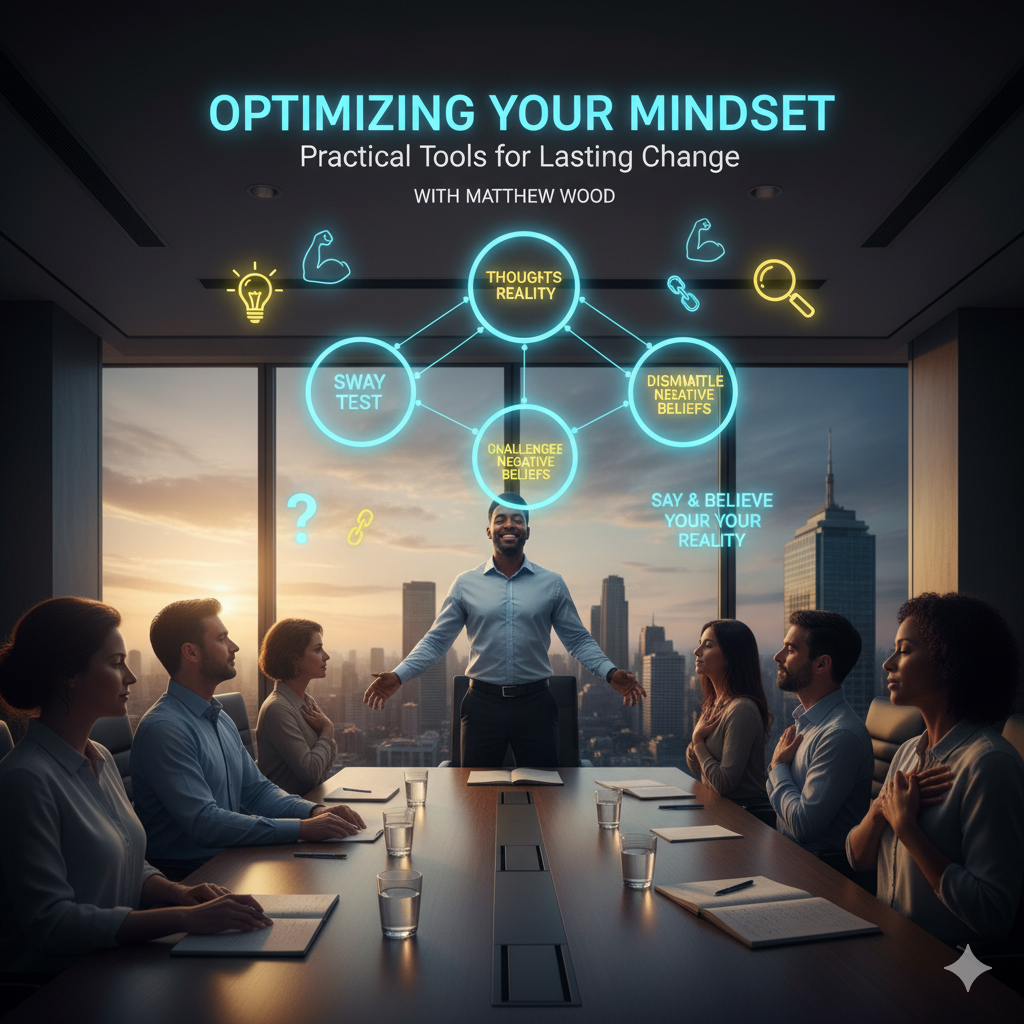
Optimising Your Mindset: Practical Tools for Lasting Change with Matthew Wood
Thanks to Matthew Alexander Wood, for a powerful session exploring how mindset and language shape our reality. The energy in the room was inspiring, and it was clear how much possibility opens up when we challenge our thinking.
Together, we explored how our beliefs and words influence our experiences—and how just a few simple shifts can create lasting change.
The impact was clear: members left with deeper self-awareness, renewed confidence, and practical strategies to turn challenges into opportunities.
5 Key Takeaways:
Sway Test – connect with your body’s natural intelligence
Your consciousness defines your experience – thoughts shape reality
Dismantle negative beliefs – release what holds you back
Turn obstacles into opportunities – reframe challenges as growth
Say what you want your reality to be—and believe it!
A huge thank you to Matthew Alexander Wood for leading such an inspiring session and sharing these powerful tools with us.
- The Skills Detector - The Inside Track!
-
Date Posted: Wed, 18 Jun 2025
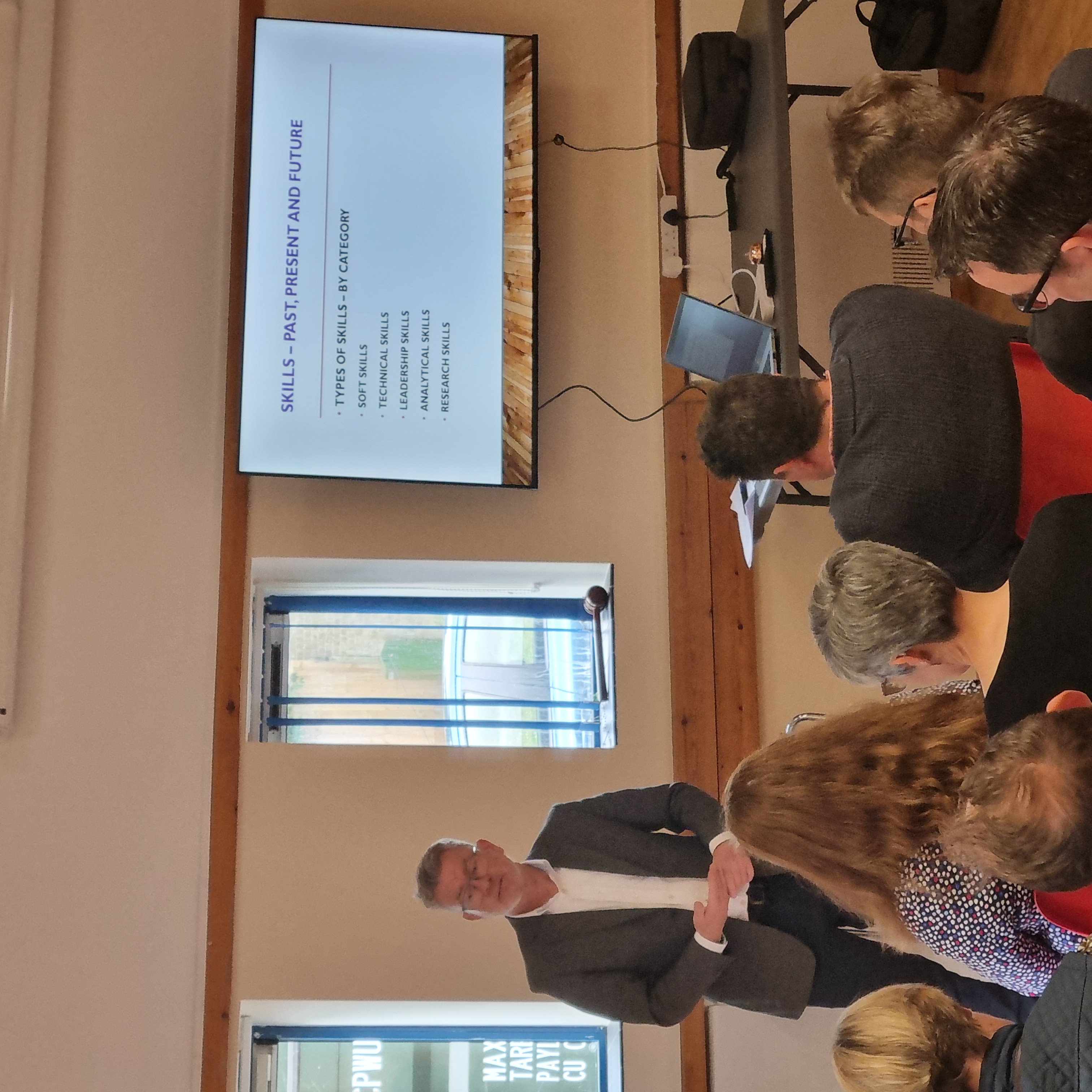
The session by Matthew Sheerin, The Skills Detector, delivered some great takeaways for the supremely skilled, ready-to-work members of M3 Job Club :
1. Adopt a Growth Mindset
Believe in your ability to learn and evolve. Every challenge is a chance to grow stronger, smarter, and more capable.
2. Practice Relentlessly & Self-Coach
Mastery comes from consistent effort. Reflect, refine, and push yourself to improve every day—you're your best coach!
3. Unlock Your Potential with The Skills Detector: CALLS
Explore your Career, Attitude, Likes, Loves, and Self to uncover hidden strengths and passions that fuel your success.
4. Bridge the Gap: Analyse Job Skills vs. Your Skills
Be strategic—compare your current skills with those in your dream roles. Spot the gaps, then go fill them!
5. Know Your Value—and Your Values
Understand what you bring to the table and what truly matters to you. Confidence and clarity are your superpowers.